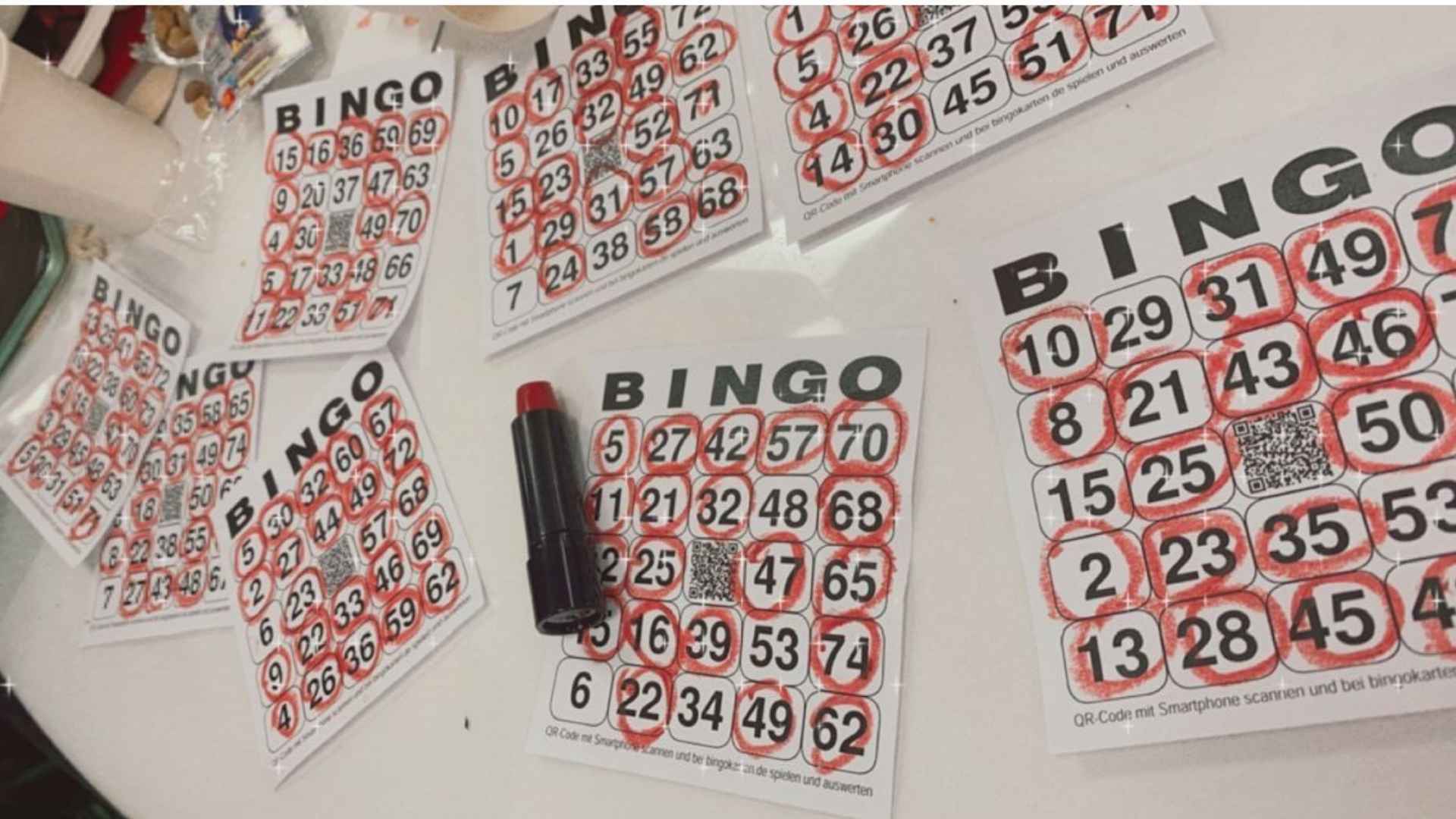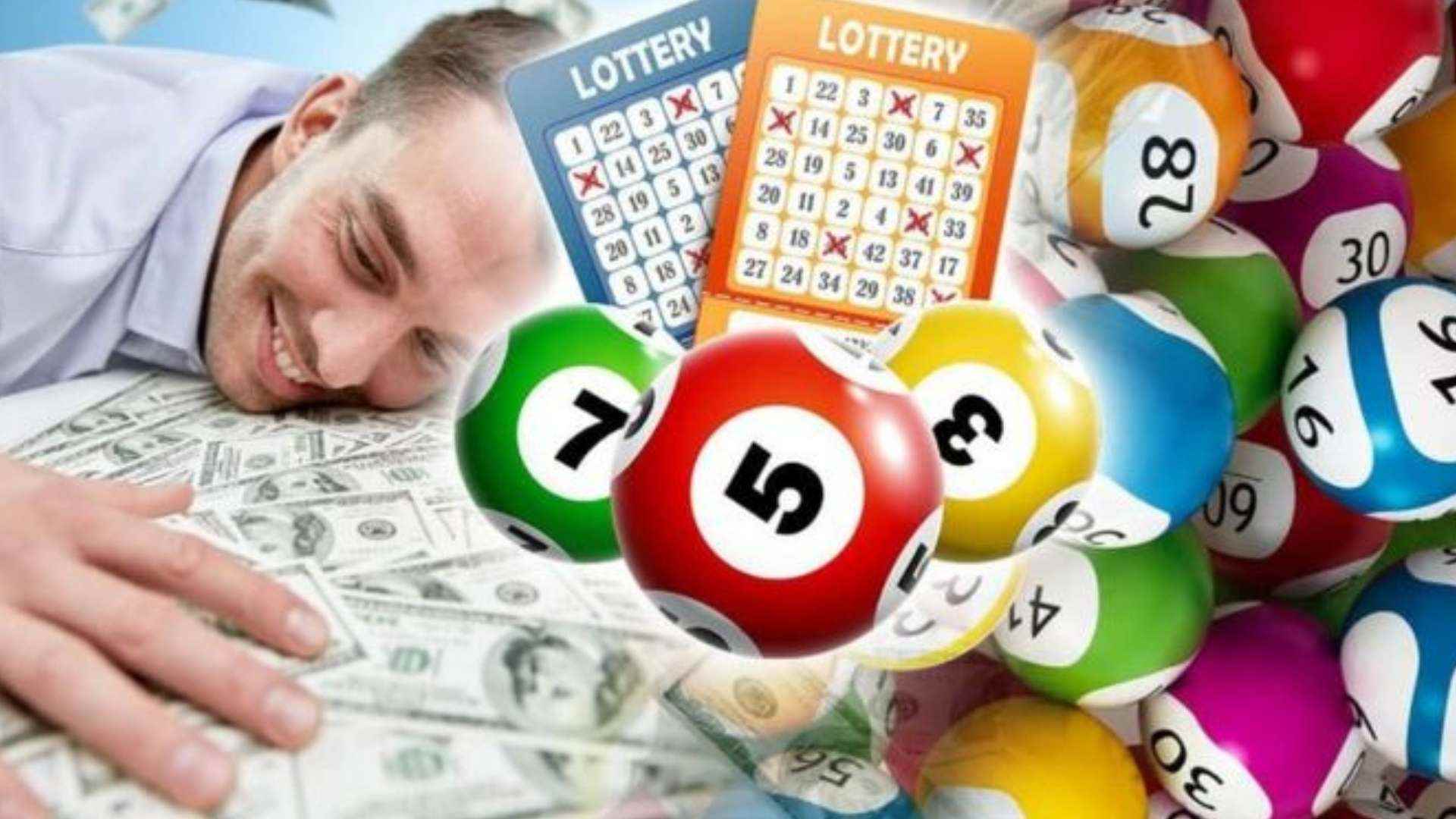
Selecting numbers for a lottery ticket is often driven by personal significance, daily routines, or completely random choices. While many participants hope to discover a secret formula for guaranteed success, lottery draws are fundamentally governed by strict principles of mathematical probability. Understanding how these probability mechanics work can provide a clearer perspective on ticket selection and help players manage their expectations responsibly.
The Mathematical Reality of Random Selection
In every standard draw, each individual digit or combination has an identical probability of being chosen. The physical mechanics behind official drawing machines ensure that previous outcomes have zero influence on future results. Consequently, selecting a sequence like consecutive numbers carries the exact same mathematical probability as picking a spread of random digits across the card.
Many players fall into the psychological trap of identifying hot or cold numbers based on recent draw histories. While tracking statistical frequencies can be an engaging hobby, it does not alter the fundamental odds of the upcoming draw. Gaming enthusiasts interested in broader industry statistical trends often explore resources like link togel terbaru to keep up with regional updates and gaming news.
Strategic Considerations for Number Distribution
Although you cannot increase your probability of winning the jackpot, your choice of numbers can affect the payout size if you do win. Many participants select numbers based on important dates such as birthdays or anniversaries, which naturally caps their choices between one and thirty-one. This common habit leads to heavy concentration on lower numerical ranges, increasing the likelihood of sharing a jackpot with multiple ticket holders.
Spreading your selections evenly across the entire available number grid reduces the chance of overlapping with standard popular combinations. Choosing higher numbers beyond thirty-one helps ensure that your ticket is relatively unique compared to the broader participant pool. While this approach does not boost your odds of drawing the winning digits, it maximizes your potential return by minimizing split prizes.
Evaluating Random Quick Picks Versus Manual Picks
Computer-generated entries, frequently known as quick picks, remain one of the most popular methods for obtaining lottery tickets. These automated systems use random number generators to produce completely unbiased combinations without human psychological influence. Statistically, quick picks win a proportional share of jackpots simply because they account for a large percentage of total ticket sales.
Manual selection allows players to exercise personal control over their combinations and avoid predictable numeric sequences. Whether you choose manual entry or automated generation, the baseline odds for any single line remain entirely identical. The key advantage of manual entry lies strictly in managing overall combination uniqueness rather than improving raw odds.
Maintaining Practical Expectations and Responsible Play
Approaching lottery participation with a clear understanding of mathematical probability keeps the activity light and entertaining. It is essential to treat ticket purchases as a form of casual leisure rather than a structured financial investment or reliable path to wealth. Setting strict personal budgets prevents overspending on tickets that carry steep statistical odds against winning.
Developing a rational perspective on number selection helps remove common superstitions surrounding ticket purchases. Recognizing that every valid combination possesses equal probability enables players to enjoy the anticipation of the draw responsibly. Ultimately, informed participants focus on smart gameplay choices while keeping entertainment value at the forefront of their experience.