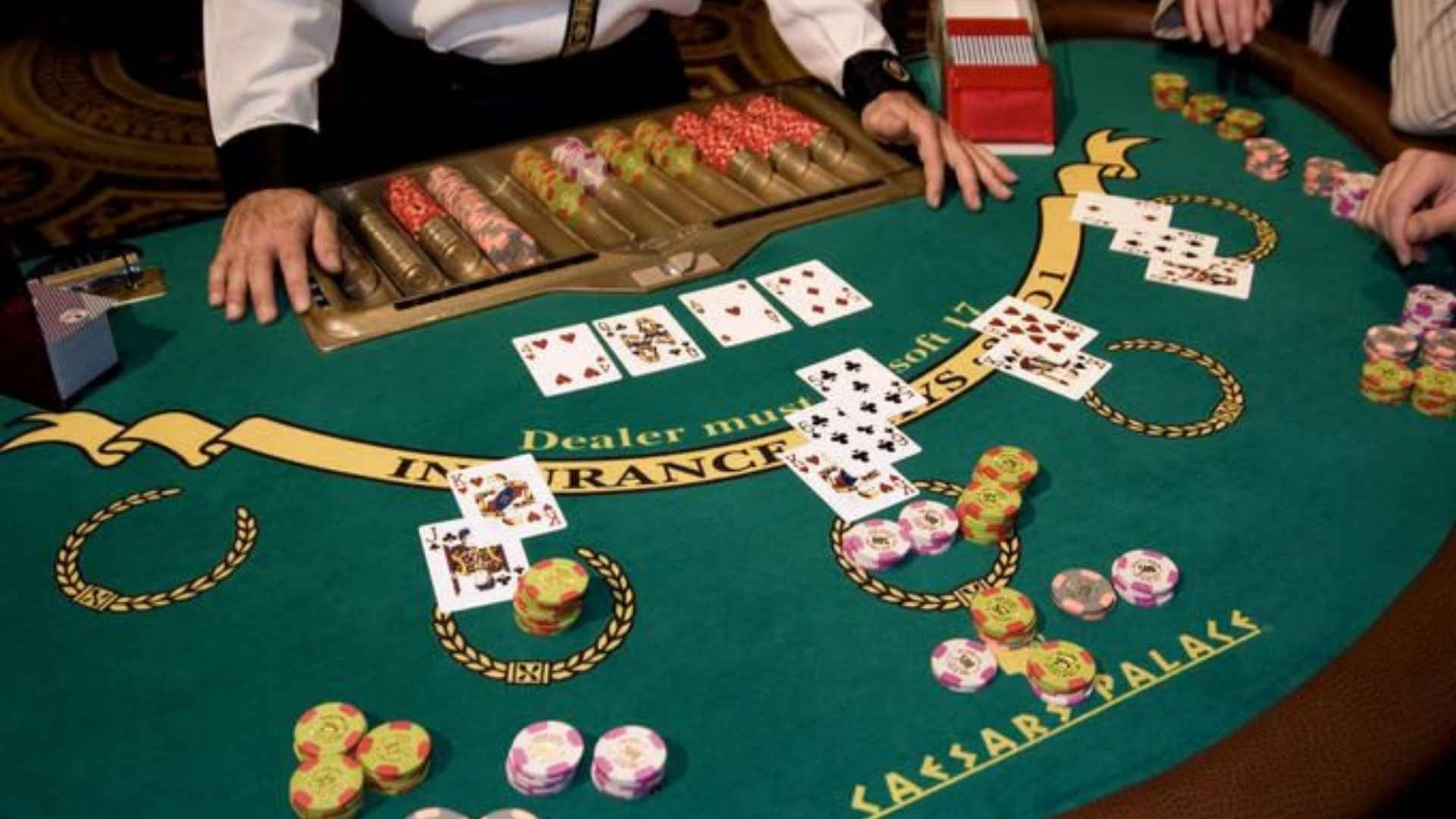
Baccarat is often celebrated for its straightforward rules and rapid tempo, making it a favorite choice among table game enthusiasts globally. While many players rely purely on intuition, evaluating structured wagering systems can significantly enhance your general gameplay experience. Gaining a clearer perspective on how various strategies operate helps you make balanced, informed choices throughout every gaming session.
Evaluating Mathematical Probabilities and House Edges
Every decision at the baccarat table is rooted in underlying mathematical odds that dictate long-term expectations. The Banker option statistical offers the lowest house advantage, making it a foundational choice for analytical players despite the standard commission fee. Conversely, the Player bet provides a reliable alternative with no commission, while the Tie option carries a significantly higher margin that requires cautious handling.
Understanding these percentages allows players to move beyond guesswork and align their decisions with proven probabilistic principles. By focusing primary attention on wagers with lower house edges, you build a sustainable foundation for evaluating game dynamics. This structured approach helps minimize unnecessary exposure while maintaining a consistent analytical perspective during active rounds.
Comparing Progressive and Flat Betting Models
Wagering strategies generally fall into two broad frameworks known as progressive adjustments and flat stakes. Flat betting involves placing identical amounts across consecutive hands, which stabilizes bankroll movement and reduces the impact of unexpected losing streaks. This methodical style suits individuals who prefer controlled, low-volatility sessions without sudden shifts in exposure.
Progressive systems adjust chip values based on prior outcomes, attempting to capitalize on momentum or recover past losses systematically. While positive progressions aim to maximize favorable sequences, negative progressions require larger bankroll reserves to absorb extended downturns. Choosing between these frameworks depends on your personal risk tolerance, financial plan, and overall comfort with dynamic stake sizes.
Integrating Structured Budget Controls into Strategy
No wagering strategy can alter the random nature of card distribution, making effective budget control the cornerstone of any sound methodology. Establishing defined loss thresholds and profit goals before joining a table prevents emotional decision-making during high-energy sessions. Utilizing resources like the m88 link alternatif terbaru can help enthusiasts access reliable platforms where they can observe real-time game flows and refine their operational routines responsibly.
Dividing your session capital into smaller, pre-determined units ensures that individual outcomes do not compromise your broader financial allocation. Taking regular breaks further preserves mental sharpness, allowing you to execute your preferred system with unwavering clarity. Maintaining strict discipline converts volatile table dynamics into a structured, highly organized entertainment activity.
Adapting Strategies to Fast and Classic Table Formats
The speed at which rounds resolve can influence how comfortably you execute complex wagering patterns. Accelerated formats demand rapid tactical processing, leaving minimal time to calculate progressive stake changes between deals. In contrast, standard classic tables offer a deliberate pace that supports careful reflection and accurate record-keeping on scoreboards.
Recognizing how table cadence affects your decision-making helps you select environments that match your personal cognitive rhythm. Adapting your wagering system to the specific speed of the platform ensures smooth execution without rushed errors. Ultimately, a thorough understanding of baccarat strategies empowers you to approach every round with poise and realistic expectations.