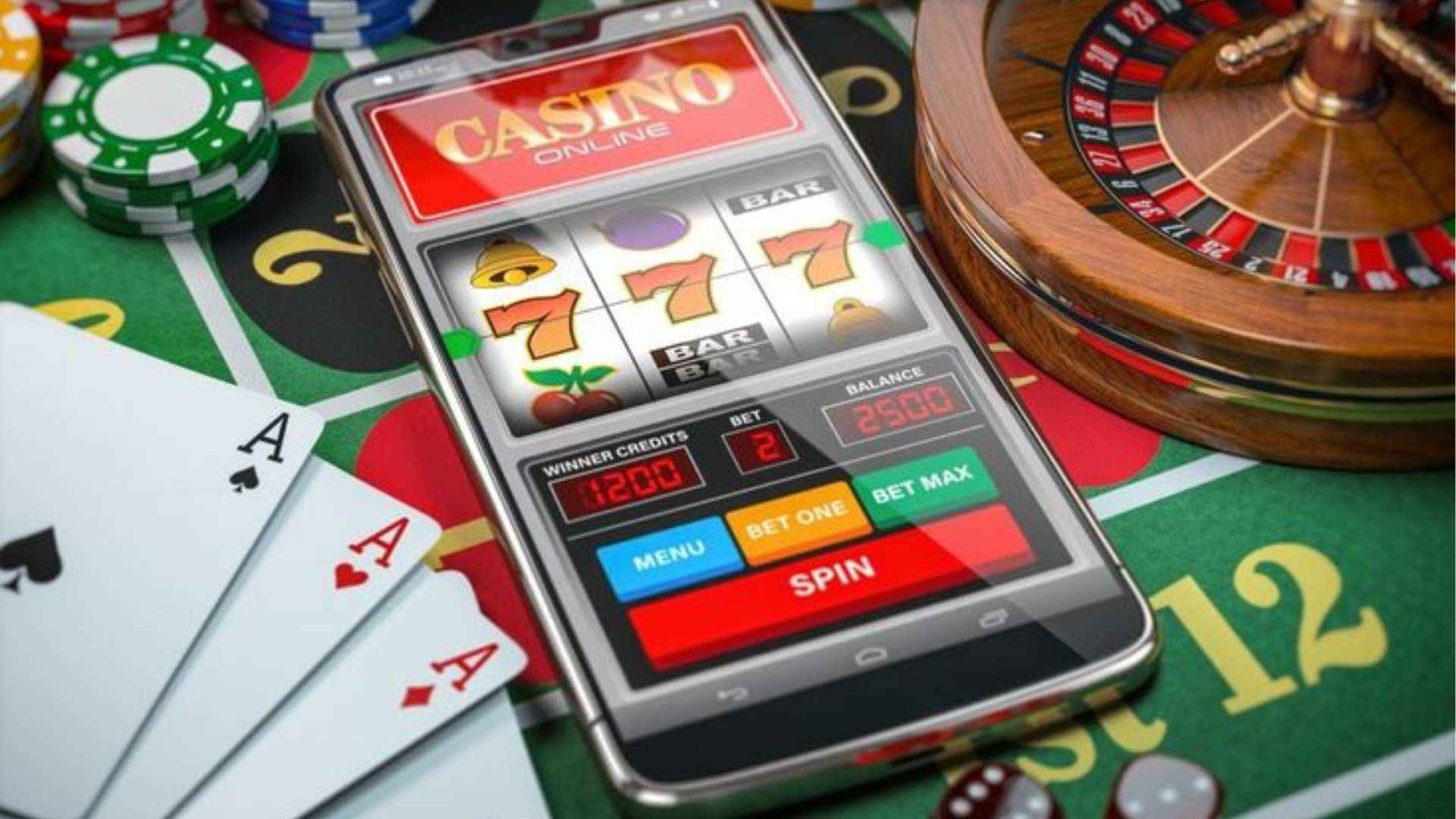
The modern digital interface has completely revolutionized how users perceive incentives, transforming standard prize distribution into an emotional journey. By combining smooth presentation with calculated unpredictability, creators can alter the psychological weight of a single surprise. This delicate relationship between user control and random outcomes forms the basis of modern entertainment engagement strategies.
The Psychology of Sensory Feedback
When a user triggers an interface action, immediate visual and auditory responses define the entire experience. Dynamic animations, flashing lights, and shifting colors build intense anticipation before the prize is actually revealed. These sensory layers trick the brain into valuing the process of discovery just as much as the reward itself.
Furthermore, carefully engineered delays between the initial interaction and the final reveal maximize emotional engagement. This micro-moment of uncertainty creates a powerful psychological loop that keeps participants curious about the next outcome. Simple actions feel significantly more impactful when accompanied by responsive environmental feedback.
Designing for Consumer Trust
For any system involving random outcomes to succeed, establishing a feeling of fairness is absolutely critical. Interactive design accomplishes this by displaying potential options clearly, ensuring transparency throughout the selection process. When users can see the boundaries of possibility, they feel more secure participating in the ecosystem.
Many modern platforms implement these principles to provide a reliable and smooth user journey. For instance, individuals accessing their accounts via an secure m88 login expect clear navigational cues alongside responsive interface elements. This structural transparency builds lasting consumer confidence and encourages repeat engagement over extended periods.
The Evolution of Gamified Mechanics
Interactive reward systems have moved far beyond basic progress bars and static win messages. Modern software integrates layered mystery boxes, interactive prize wheels, and tiered unlock systems to maintain long-term curiosity. By offering multiple paths to discovery, developers prevent the gameplay loop from feeling repetitive.
These creative configurations allow casual digital applications to appeal to highly diverse user demographics. When a system adapts its presentation based on user behavior, the rewards feel deeply personalized. This structural variety ensures that even small incentives deliver high levels of emotional satisfaction.
Future Trends in Interactive Engagement
As digital technology continues to mature, the systems governing random rewards will become increasingly immersive. Augmented reality and tactile haptic feedback will soon allow consumers to physically interact with virtual incentive structures. This progression will likely bridge the gap between digital convenience and real-world physical satisfaction.
Ultimately, the marriage of clean interface layouts and unpredictable outcomes remains a foundational pillar of software design. By prioritizing user comfort and emotional balance, creators guarantee that the excitement of discovery stays alive. The future of interactive entertainment relies heavily on making every single random moment feel earned.