The enduring fascination with card games across multiple generations stems deeply from the physical presence and direct social choices made by individuals around a shared table. Unlike automated digital software that delivers swift, programmed calculations, traditional table formats require a balance of psychological reading, shared financial responsibility, and direct personal accountability. This active dynamic transforms a simple distribution of random numbers into a captivating landscape of tactical mastery and genuine human engagement.
The Core Dynamics of Communal Card Play
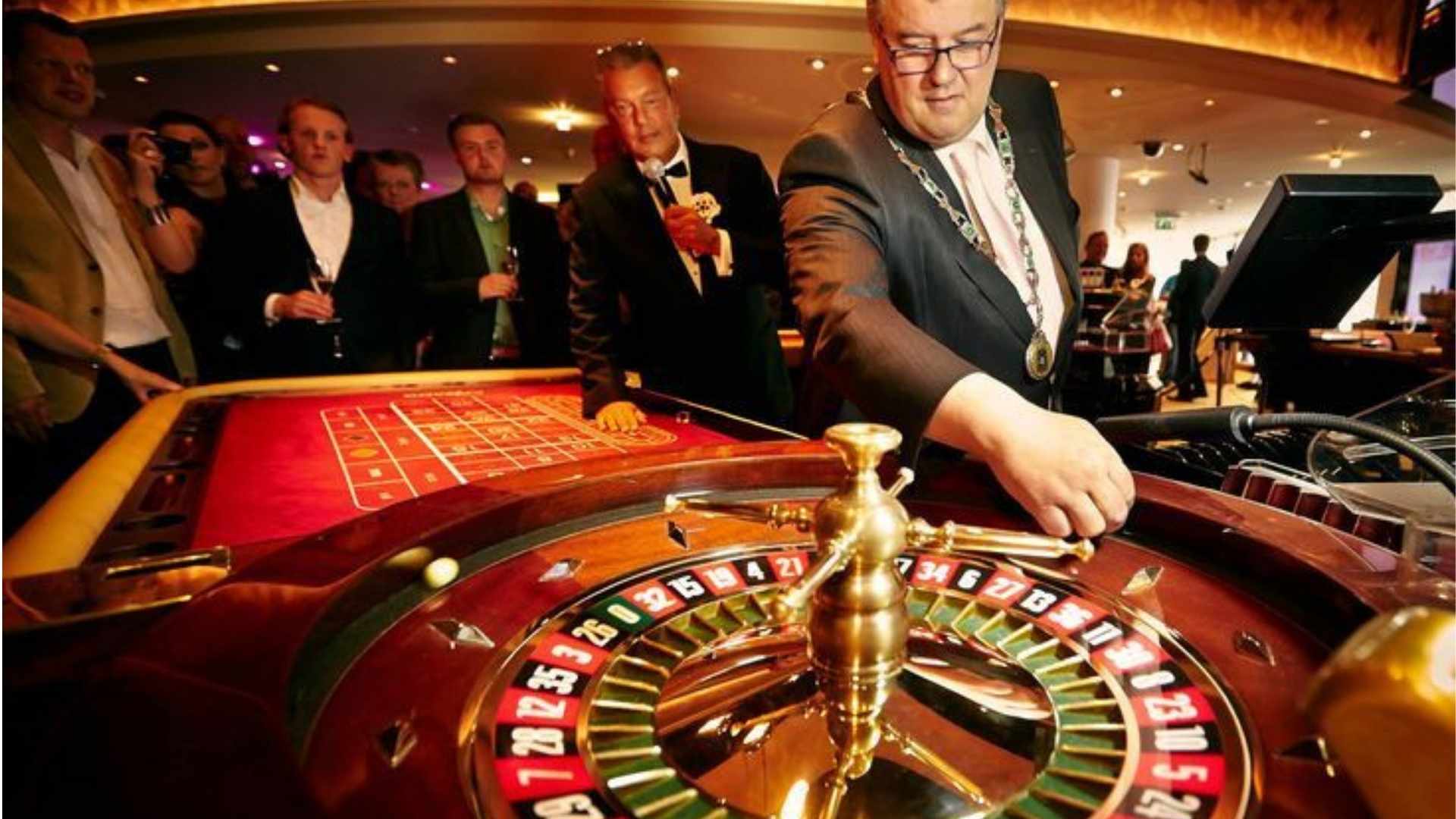
In historic gaming spaces, the flow of a round relied heavily on how participants assumed rotating roles and handled the deck themselves. This layout decentralized the authority of a corporate house, forcing players to manage risks collectively or challenge each other directly with their personal capital. Such direct involvement established a unique atmosphere where social etiquette, physical position, and live observations dictated strategies far more than memorized statistical models.
Furthermore, early table configurations were crafted specifically to accommodate multiple participants looking for a shared community event rather than an isolated betting activity. This structural setup ensured that every individual choice resonated across the entire group, shifting the psychological pressure onto live human assessments. By keeping personal choice at the center of each turn, these ancient traditions successfully combined intellectual skill with deep social connectivity.
Adapting Traditional Customs for Modern Enthusiasts
As classic table variants evolved through the centuries, their rules underwent regional adjustments to enhance player agency and maintain a lively rhythm on the gaming floor. Aristocratic European salons favored long, tactical sessions where individuals enjoyed genuine drawing options instead of following automated, mandatory outcomes. This framework elevated the importance of table awareness, encouraging analytical thinkers to evaluate the confidence and body language of everyone seated around the layout.
Today, these legendary mechanics have seamlessly migrated onto digital networks to offer unmatched convenience while preserving the core competitive elements. Fans looking to explore these sophisticated table setups can connect through platforms like m88 中環 to enjoy modern interpretations of timeless card-comparing traditions. This technological integration manages the underlying banking logistics instantly while allowing modern players to experience the same mathematical tension that captivated high society ages ago.
Why Personal Interaction Outlasts Pure Automation
The ongoing reliance on manual rituals, such as the tactile handling of physical cards, reminds enthusiasts that gaming remains a profoundly social pastime. The deliberate pacing of a live round provides individuals with essential moments to converse, evaluate table movements, and build authentic relationships during an extended session. This unique balance between pure random variance and thoughtful calculation ensures that the experience feels personal and trustworthy.
Ultimately, the lasting legacy of classic table games demonstrates that players consistently seek out options that offer genuine agency and communal involvement. Moving beyond passive observation allows participants to become active authors of the unfolding competitive outcome. By understanding the rich history behind these participatory table structures, modern enthusiasts can gain a much deeper appreciation for every strategic decision made during a live match.